
Videdrone captures shots & edits them for (Roof Inspections), keep roof inspection safe. Instead to use a latter and walk the roof or use binoculars we use our drones instead. Depending on safety and roof pitch such as steep or fragile roofs.
Regular inspections catch early damage, prevent leaks, extend roof lifespan, and protect your home from structural and moisture issues A thorough shingle roof inspection ensures early detection of wear and helps maintain long-term roof performance.
 Proper Inspection
A proper shingle roof inspection checks for missing or damaged shingles, curling, granule loss, flashing failures, gutter issues, attic leaks, and structural sagging, using both exterior and attic evaluations. These steps help identify early wear, prevent leaks, and extend roof life.
Improved Safety: No need to climb ladders or walk on steep or fragile shingles.
Faster Inspections: A drone can inspect a typical residential roof in 30–60 minutes compared to several hours for traditional methods.
Next-Day Scheduling (Weather Permitting): Book by 4:00 PM, and if the skies are safe for flight, we will have a certified pilot over your jobsite the very next day to keep your estimates moving fast. In case of rain or high winds, we automatically prioritize your shoot for the first clear weather window.
High-Quality Data: Allows identification of missing shingles, granule loss, flashing issues, debris, and small storm damage that may go unnoticed from the ground.

Shingles and Surface Materials: Check for missing, cracked, curled, or broken shingles, as well as excessive granule loss.
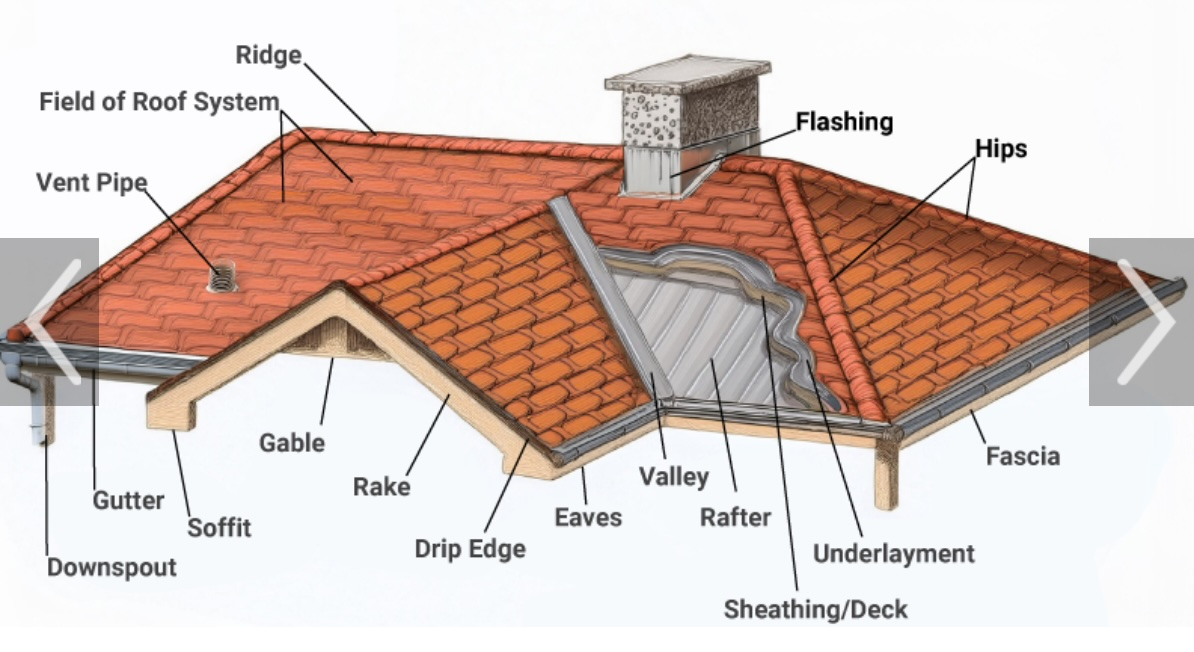
Flashing Condition: Inspect metal seals and flashing around vulnerable areas like chimneys, skylights, and vents to stop water leaks.
Roof Valleys: Examine valleys where roof planes meet, since these channels direct heavy water runoff and are prone to wear.
Gutters and Downspouts: Clear and inspect drainage systems to ensure water flows away from the roof edge and foundation properly.
Soffits and Fascia: Look for rot, cracks, or pest damage along the roof overhangs and trim boards.
Attic Interior: Inspect the attic for daylight coming through the roof, damp insulation, mold, or water stains.
Roof Attachments: Check that extra installations like satellite dishes, solar panels, or antennas are securely attached and sealed.
What to Look for
Missing or damaged shingles: Bare spots, lifted, cracked, or broken shingles allow water infiltration.
Curling or buckling: Indicates aging, moisture issues, or poor ventilation.
Granule loss: Check gutters/downspouts for sandy debris; heavy loss signals deterioration.
Sagging roofline: Any dip or bow suggests structural concerns needing immediate evaluation.
Moss or algae: Moss can lift shingles; algae indicates humidity issues.

Gutter alignment: Should slope properly with no standing water.
Downspout discharge: Water should exit 4–6 feet from the foundation.
Ice dam evidence: Stains or peeling paint near eaves indicate past issues.

Shingle firmness: Press shingles; they should feel firm, not soft or spongy.
Nail pops - Drone: Raised nails create leak points.
Flashing - Drone: Inspect around chimneys, vents, skylights for rust, cracks, or lifted edges. Flashing failure is a top cause of leaks.
Valleys - Drone: Check for worn shingles or exposed metal.
Ridge caps - Drone: Look for cracking or missing pieces.

Daylight through decking: Any visible light means holes.
Water stains: Dark spots or discoloration indicate leaks.
Insulation condition: Wet or compressed insulation signals moisture intrusion.
Ventilation - Drone: Ensure soffit and ridge vents are unobstructed.
Roof Inspections - Granule loss